When I started my career in 2003 at Coats, I was a fresh graduate, a junior manufacturing engineer, with no expectations and no pressure, just the excitement of starting something new.
I stayed for 22 years at the same company, and when I finally decided to move on, I stepped into something I had never really experienced before: the modern job market, and honestly, it felt like landing on a different planet.
This time, I wasn’t a junior anymore. I had two decades of international experience behind me, global roles, and a strong professional foundation built over time, including an MBA, Project Management certification, change management training, Lean Six Sigma, and many other courses and certifications collected over the years.
I very quickly recognized that job searching is effectively a project and, as I consider myself a fairly good PM, I changed my attitude and started to approach and master the modern job market accordingly. I spent weeks studying how the job market actually works today through podcasts, YouTube, HR experts, and articles, and just as importantly, I learned by doing, by allowing myself to fail, learning from those failures, and by observing patterns.
Here are a few things that stood out.
1. Most of the job market is invisible
More than half of the opportunities never really make it to the open market, some say it is as high as 70–75%, as roles get filled internally, through referrals, and through networks. Yes, jobs might be posted and there might be a process, but often there is already someone in mind.
What does this mean in practice for someone looking for a new role? Your network is not a “nice to have”, it is everything, and here is the part I learned the hard way.
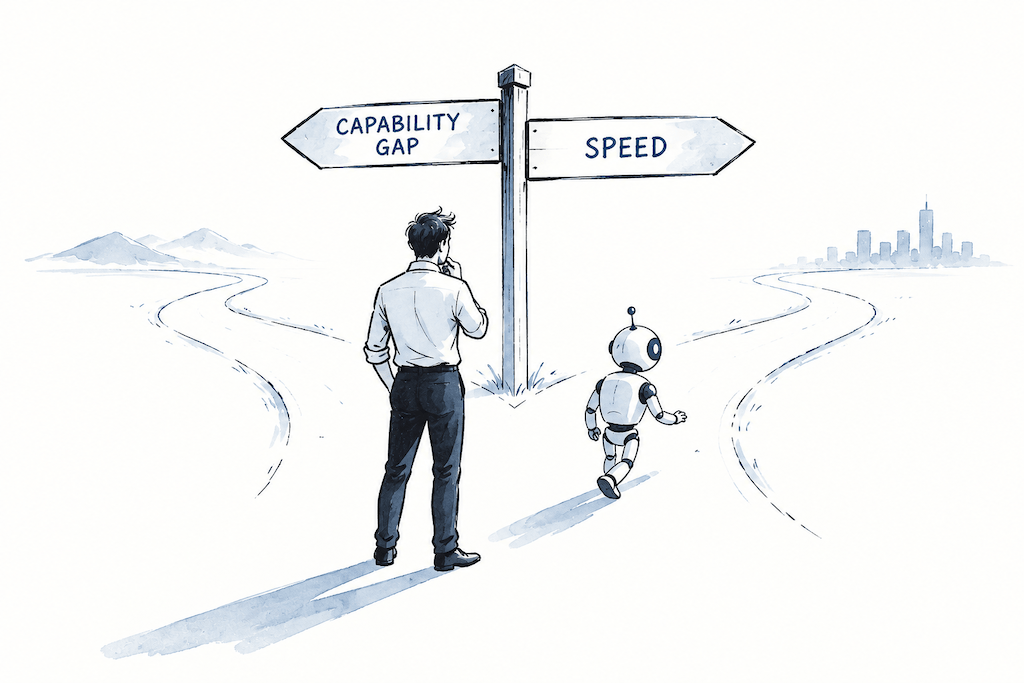
My network was relatively strong, but highly concentrated, as after 22 years most of my connections were within Coats and the textile industry, and when I decided to leave, I also made a conscious decision not to stay in that industry, which meant that from a job search perspective my network suddenly became much less effective.
Lesson learned: stay in touch with people who matter, but also build a diverse network across industries. Have real conversations and understand what is happening around you, for example who is moving, who is hiring, and what is changing, because when the time comes, chances are high that your next
opportunity will come through a conversation, not an application.
2. LinkedIn is essential… and almost useless at the same time
LinkedIn became the main platform, that’s out of the question, but at the same time it is also completely flooded, with hundreds of applications per role and often hundreds of applications submitted within the first hours. If you are not among the first applicants, realistically your chances drop significantly with every minute.
Easy Apply makes it easy for everyone, which in practice means it becomes extremely difficult, almost impossible, to stand out. From my experience, LinkedIn applications often feel like a lottery: you still have to play the game and you cannot ignore it, but you need to be realistic about your chances.
What worked for me:
- Having multiple CV versions ready (with photo, without photo, longer 3–4 pages, shorter 1–2 pages)
- On my CV, focusing on results, not responsibilities (numbers, impact, value creation: millions saved, teams led, countries covered)
- Preparing several tailored motivation letters
- Adapting quickly to each role instead of sending the same application everywhere
- Personalizing everything, minimizing the use of AI, or if using it, carefully reviewing everything and adding as much human touch as possible
Apply broadly, but do not rely on LinkedIn as your only strategy.
3. If you get interviews, preparation is everything
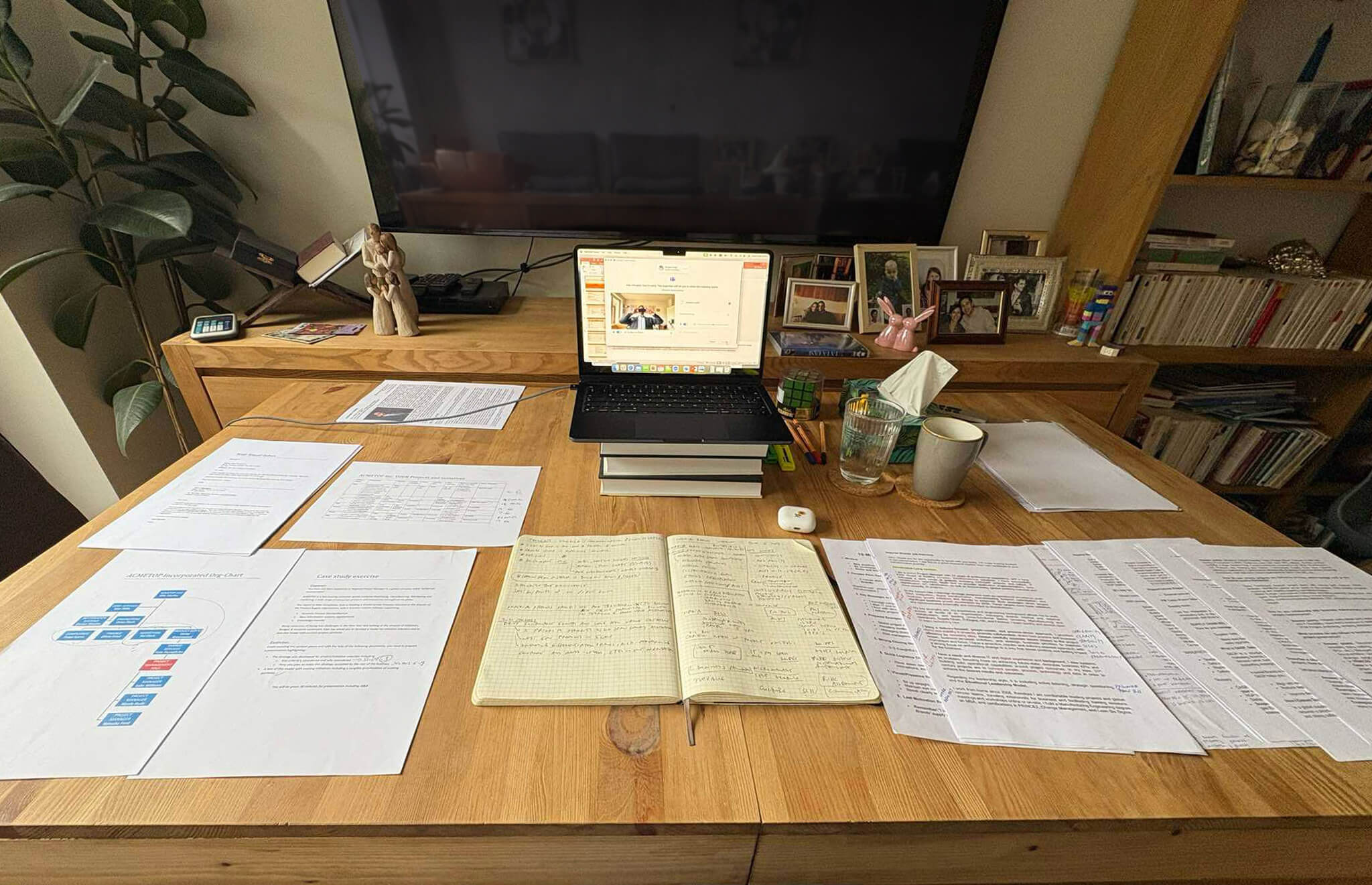
At interviews, there are clear patterns, common questions, structures, and underlying things interviewers are really trying to assess behind each question. This is something you can learn, so prepare properly: write down your answers, practice them, say them out loud, record yourself, listen back, and work on your delivery, your voice, and your presence.
Have a clear 2–3 minute introduction ready: who you are, what you do, what you have achieved, what you enjoy, and what kind of role you are looking for, something simple, clear, and authentic that reflects your personality.
If it is an online interview:
- Be alone in the room
- Control your environment
- Pay attention to your background
- Dress properly
If it is in person, you already know the basics. Confidence matters, but clarity matters even more.
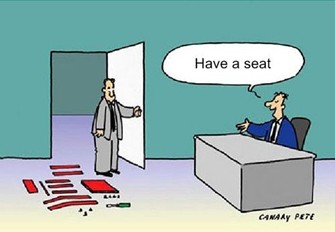
My very first interview came very early in my search, it was a great opportunity, and it was a complete disaster: within three minutes, I was out. You can feel these things, you see it on their faces when the energy drops and the decision is made almost instantly, because I could not answer the first question properly. I was too excited, too nervous, and simply not prepared.
It was a shock and, honestly, a bit of a slap in the face, but because it came so early, it helped a lot and became a real turning point. That moment forced me to go deep, to start researching and truly learning about the modern job market and modern interviewing.
I started breaking down my entire career:
- What did I actually do?
- What value did I create?
- What are my strongest stories?
- How do I communicate them clearly and confidently?
I had to rethink everything through these lenses, which was exhausting at first, but eventually turned into an incredibly valuable and even enjoyable journey.
4. The hardest part was redefining myself
This was my biggest personal challenge; I had to take 22 years of experience and truly understand what it meant, not just for me, but for someone else looking at it from an external perspective. I had to switch into “job seeker mode” and look at my own career from the outside.
It turned into a surprisingly interesting journey, but at the beginning it was uncomfortable, frustrating, and heavy. I had to reflect deeply, reset, and in a way create a clean closing of the first half of my career.
Final thought
The modern job market is fast, noisy, and often unfair, but like everything else, it is also learnable, and if you take the time to understand it, prepare properly, and adapt your approach, it becomes manageable.
Not easy, but manageable.
PS
This blog actually started as an idea during my job search. At some point, I realized I wanted to capture what I was going through, what I was learning, and how my thinking was evolving. I promised myself that once I am through this phase, I will start writing, so here we are.
I will not pretend this is purely unselfish. It is also part of building my personal brand, something I have clearly neglected over the past 22 years.
- My intention with this blog is simple:
- To share what I think about
- What I work on
- What I have learned in the past
- And what I am learning right now
Thank you for reading my blog post. If you have any comments, questions, or would like to share your own experience, I would be very happy to hear from you.